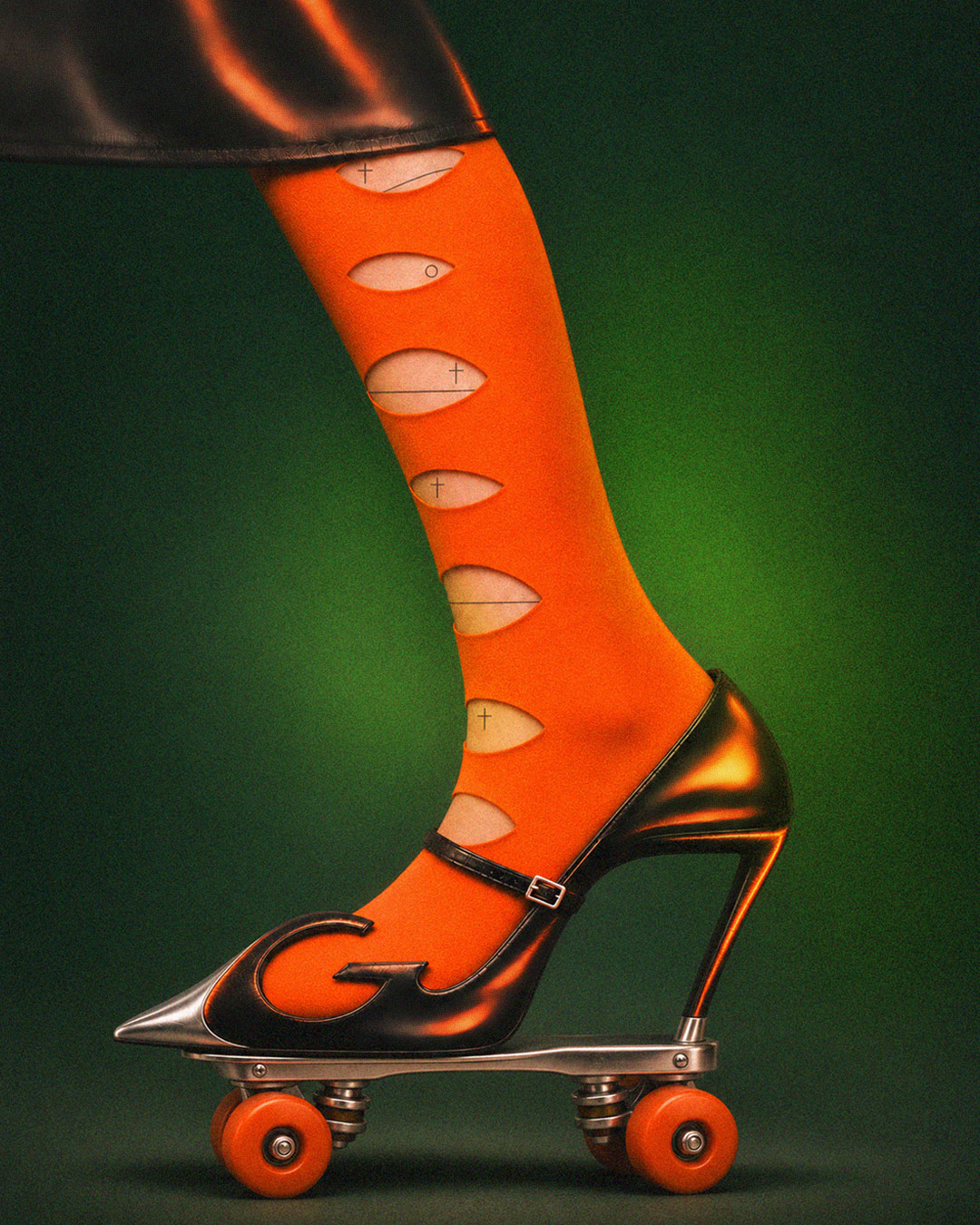
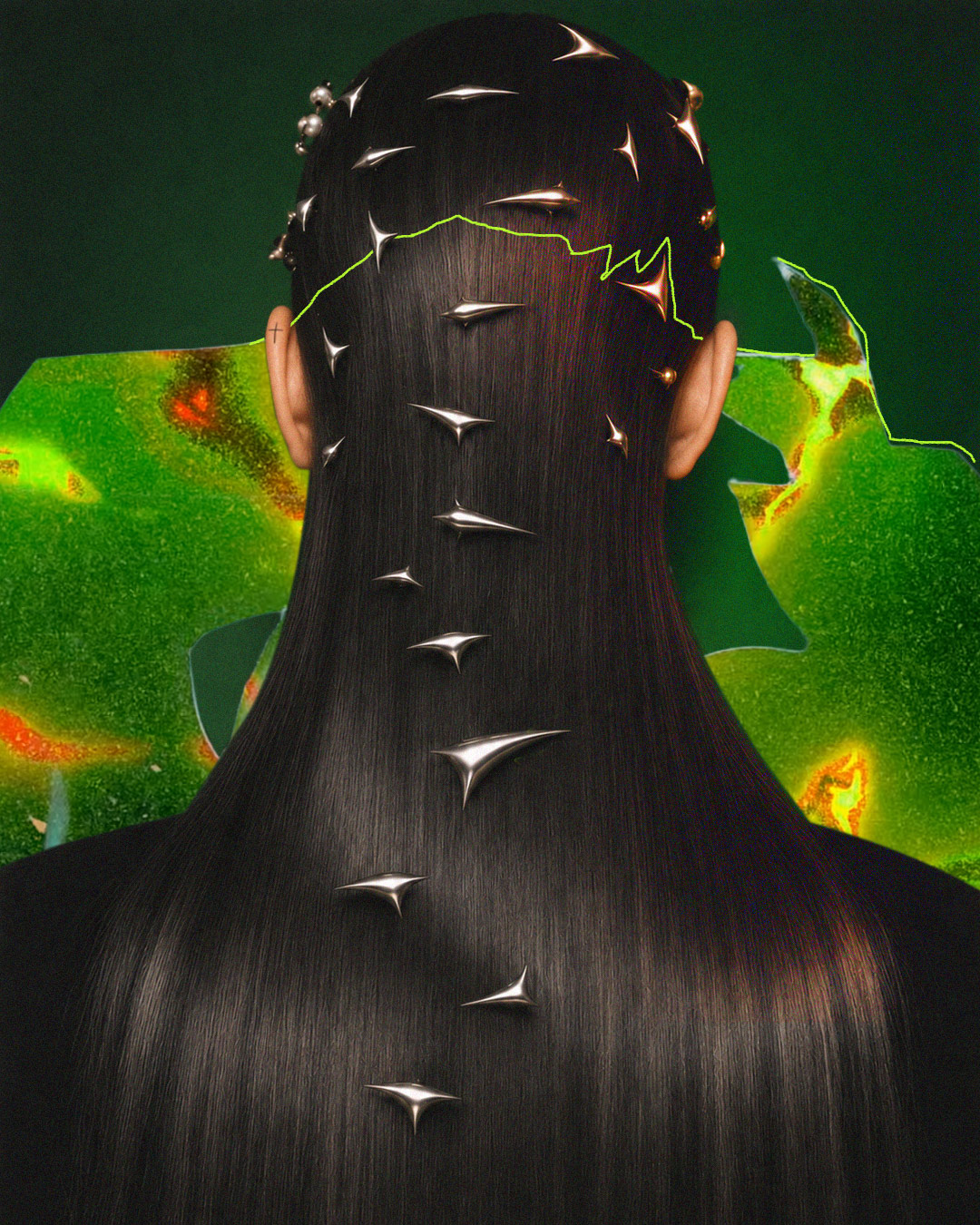
From a rose thorn to a high heel, a roller skate and the beginnings of an accessories collection.
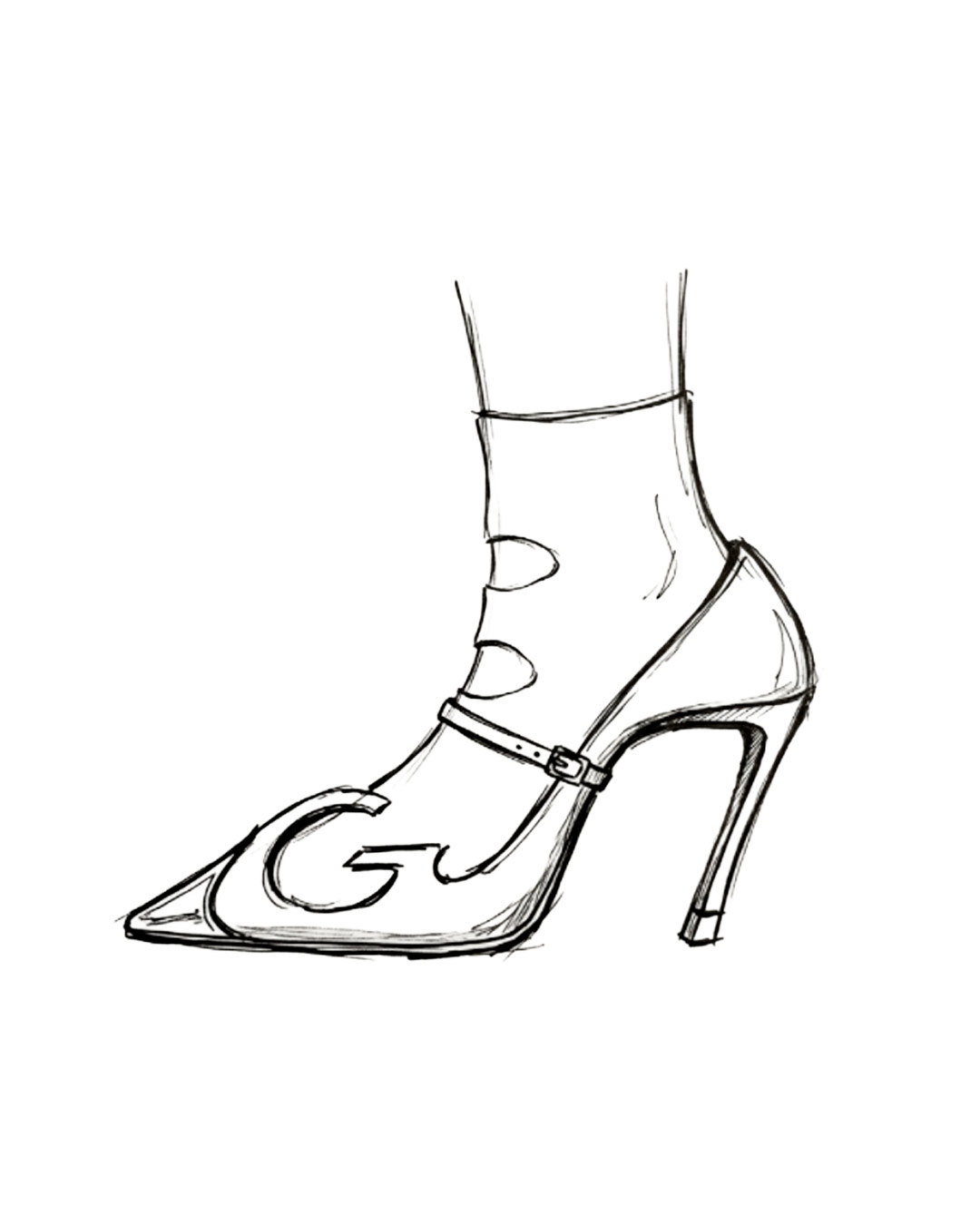
What do you do when you’ve been staring at the same sketch and every idea starts to look alike? Sometimes all it takes is a different question about what’s already in front of you. At G47 Studio, we started with a simple one. What if the 7 in our logo became a heel? What happened next showed us how to set the creative process in motion.
The day a high heel became a roller skate
We were playing with the G47 logo and the shape of a rose thorn. The 7 suggested the line of a heel. Reimagined in metal, the thorn gave the shoe a detail we wanted to explore further.
As we worked on the images, Mr. Kitty’s “After Dark” was playing in a fan edit of Jennifer Connelly roller-skating in Career Opportunities (1991). The scene changed what we saw in the sketch. We gave the shoe four wheels. Then we changed the scale and turned the thorn into metal hair clips. Our Instagram carousel follows that progression, from experimenting with the logo to the first ideas for a collection.
Four questions to get your creative process moving
In positive psychology, Barbara Fredrickson proposes that enjoyment encourages play and interest prompts us to explore. In a separate study, Benjamin Baird and his colleagues found that participants performed better when they returned to a creative exercise they had already tried after taking a break with a simple task. You can bring both ideas to your next sketch. Fredrickson’s study and Baird and colleagues’ study.
- What part of this idea am I still curious about? Pick a line, a texture or a gesture and sketch it on its own.
- What would I try if this sketch were just for fun? Change one thing. The scale, the material or the function. Try the version you’d usually dismiss first.
- Would a break help me see this differently? Put the sketch down for a while. Take a walk, meditate, make a coffee or play a song. When you return, write down the detail that catches your eye.
- What do I want this piece to express, and what’s the smallest test I could do today? Sketch a variation, cut out a silhouette or try the detail on a different object.
In The Artist’s Way, Julia Cameron suggests writing a few pages in the morning and setting aside time on your own to do something for pleasure. In The Creative Act: A Way of Being, Rick Rubin invites us to cultivate creativity through how we pay attention to everyday life.
For us, music and play opened up possibilities. A clear intention helped us decide what to carry from one piece to the next.
When we saw that the same thorn could work on a high heel, a roller skate and a hair clip, we began to see a collection. A visual system, a family.